

Seasonal Hair Loss After Christmas: How Sugar, Alcohol & Stress Eating Affect Hair Health
Just like the song by Andy Williams says, it’s the most wonderful time of the year pertaining to Christmas. While it’s true, it’s also one of the most stressful times, and if you’ve noticed more hair shedding than usual after the holidays, you’re not imagining it and you’re not alone. This is known as seasonal hair loss.
The post-holiday period is one of the most common times people become aware of seasonal hair loss. That doesn’t mean Christmas “damaged” your hair or that you did anything wrong. Seasonal hair changes are influenced by biology, lifestyle shifts, and timing—not one festive meal or celebration.
This article isn’t about blame or restriction especially during this festive season. It’s about understanding how common post-Christmas habits like sugar intake, alcohol consumption, and stress eating can temporarily affect hair health and how to calmly support your hair moving forward.
What Is Seasonal Hair Loss?
Seasonal hair loss is a temporary increase in hair shedding that happens at certain times of the year, most commonly in late summer, autumn, or early winter. It is a normal biological response and not a disease. It is also not permanent hair loss and not a sign that something is “wrong” with you.
Your hair grows in cycles, but with seasonal hair loss, more hairs than usual enter the shedding phase at the same time. This creates noticeable hair fall, even though the follicles remain healthy and capable of regrowing hair. Seasonal hair loss is common, temporary, and manageable and can impact both men and women.
Why Hair Is More Sensitive After the Holidays
Hair growth is a long-term biological process. Each strand goes through a cycle of growth, rest, and shedding, and that cycle is influenced by what’s happening inside your body.
Healthy hair relies on:
- Consistent nutrient delivery to hair follicles
- Balanced hormones, including stress hormones
- A healthy scalp environment
During the Christmas period, aside from being the most wonderful time of the year, it is also the most stressful for many people. From picking and packing gifts to attending endless parties until Christmas Day, even short-term changes such as altered eating habits, disrupted sleep, increased stress, or dehydration—can affect these systems.
While this doesn’t cause immediate damage, these changes can contribute to holiday hair damage and increased shedding, because seasonal hair loss usually occurs two to three months after a triggering event.
There is a delay effect with seasonal hair loss. What you notice now often reflects changes that occurred weeks earlier. That’s why post-Christmas shedding feels sudden, but it is actually your body catching up.
So let’s talk about the three factors that most often contribute to holiday hair damage after the Christmas or holiday season.
Sugar, Alcohol & Stress Eating: The Post-Christmas Trio That Affects Hair Health
Sugar: Inflammation & Blood Sugar Spikes
Christmas often means more sugary foods than usual from desserts, treats, and celebratory snacks. Sugar itself isn’t harmful, but excess intake over time can influence hair health indirectly. According to the National Institute of Health, sugar displaces key nutrients your hair needs, such as niacin, magnesium, iron, and zinc.
High sugar consumption may lead to:
- Blood sugar and insulin spikes, which can increase inflammation and trigger excess sebum production, leading to scalp buildup and oily hair
- Inflammatory responses that affect scalp comfort and circulation
- Weakened hair strands through a process called glycation, where sugar binds to keratin, making hair more prone to breakage
Occasional sugar does not cause hair loss. Seasonal hair loss becomes more noticeable when higher sugar intake continues without balance, placing extra stress on the hair growth environment.
Alcohol: Dehydration & Nutrient Drain
At every celebration, alcohol is often present, especially during the holidays. This isn’t wrong, but alcohol is another common factor during the festive season, and its effects on hair are often overlooked.
Alcohol can:
- Act as a diuretic, increasing dehydration
- Reduce absorption of B vitamins and zinc, which support hair and scalp health
- Disrupt sleep quality, limiting the body’s ability to repair and recover
Hair follicles are highly active cells that rely on hydration and nutrients. When dehydration and nutrient depletion overlap even temporarily, your hair may feel dull, dry, or weaker. This isn’t about avoiding alcohol entirely. Supporting your body with water, nutrient-rich foods, and rest helps counterbalance its effects.
Stress Eating: Cortisol & the Hair Growth Cycle
Stress eating is not a lack of willpower, it’s a stress response. The holidays can bring emotional, financial, and social pressure, and food often becomes a coping mechanism.
When stress levels rise, the body releases cortisol. Elevated cortisol can interfere with the hair growth cycle by encouraging more follicles to enter the shedding phase. This is why stress-related shedding often appears weeks after the stressful period has passed.
Stress is a silent contributor to hair loss, and the connection between mental stress and seasonal hair loss is real. It is also temporary. Hair shedding in response to stress signals that your body needs support, not punishment.
What People Commonly Notice Post-Christmas
Seasonal hair loss often becomes noticeable after the holidays. Common signs include:
-
Increased hair shedding in the shower or when brushing
-
A dry, tight, or irritated scalp
-
Hair that feels thinner, duller, or less resilient
These changes can feel confronting, but they are signals and not failures. They indicate that your hair and scalp are responding to recent internal changes and that rebalancing is possible and you don’t need to worry now because the key is maintaining a consistent hair care routine and practising patience are far more effective than panic or extreme changes.
How to Support Seasonal Hair Loss After Christmas
Instead of extreme detoxes or quick fixes, focus on gentle, consistent support. A consistent hair care routine responds better, and using hair growth products that are friendly and help your scalp is the best way to rebalance after the Christmas season.
1. Rebalance Nutrition
There’s nothing wrong with sugar intake, especially since it’s the holiday season after all. But don’t overdo it; it’s better to be preventive than to make last-minute changes. Take a close look at what you consume and pay special attention to added sugars, especially in places people often overlook, like morning fruit juice, sauces, dressings, and even condiments.
Aim to regularly include:
- Protein, the building block of hair, which supports strand strength and growth
- Dietary fibre, which supports healthy hair growth indirectly by improving gut health, reducing inflammation, and stabilising blood sugar to create a better internal environment for hair follicles
- Iron-rich foods, which support oxygen delivery to hair follicles and help maintain healthy growth cycles
-
Omega-3 fatty acids, which help manage inflammation and support scalp health
You can also refer to key vitamins and minerals for hair health, as internal nutritional support works best when it remains consistent. Consistency matters more than perfection.
2. Restore Hydration & Sleep
Drink water regularly throughout the day. You’ve probably heard this many times, but it remains true—hydration supports circulation, nutrient delivery, and overall scalp health. When your body lacks water, hair can become dry, brittle, and more prone to breakage.
Prioritise quality sleep to support hormone regulation and recovery. Sleep allows your body to repair tissues, balance stress hormones, and maintain a healthy hair growth cycle. Irregular or insufficient sleep can disrupt these processes and contribute to increased shedding.
Hair growth is energy-dependent. Rest is not optional, it’s a must especially during holiday season to prevent seasonal hair loss.
3. Maintain a Consistent Hair Growth Routine
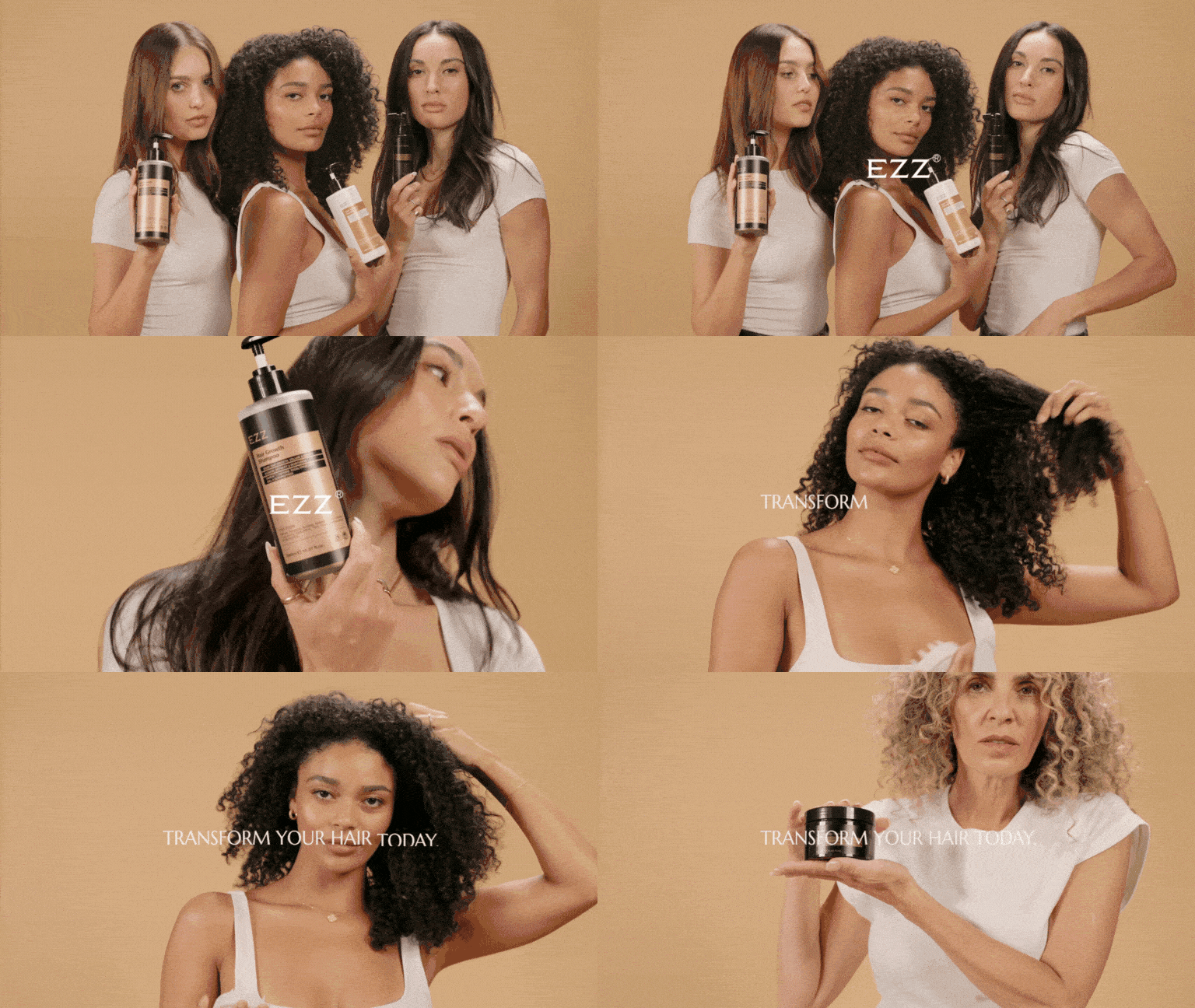
Topical hair growth products work most effectively when you use them consistently over time. This is where EZZ DNA Hair Growth Solutions fit in, not as a miracle solution, but as ongoing support for scalp health and follicle function while your body rebalances internally.
EZZ DNA focuses on creating a healthy scalp environment, supporting follicle activity, and complementing your internal recovery through consistent topical care. When paired with proper hydration, nutrition, and rest, a steady hair growth routine helps maintain the conditions hair needs to grow stronger over time.
Consistency creates the stable environment hair needs to grow.
Final Thoughts
Seasonal hair loss and post-holiday shedding are common, temporary, and manageable. Christmas indulgence doesn’t damage your hair, but sudden changes and inconsistency do. Hair responds best to calm, sustained care rather than quick fixes or extreme routines.
If you’re noticing changes in your hair after the holidays, focus on supporting your body, restoring balance, and staying consistent with your hair care routine.
Ready to Support Your Hair Growth?
Explore EZZ DNA Hair Growth Solutions to support your scalp and hair through seasonal changes and beyond. When used consistently, the right routine can help create the foundation for healthier, stronger hair, now and in the months ahead!
The key thing to remember is this: what you do this holiday season still matters, and your hair responds to it.


